Subscribe to my newsletter: http://bit.ly/gn
Representation matters.
When I was about 4-5 years old I was taken to a dance class in my neighborhood. I honestly can’t recall specifically what happened that day but I knew I did not feel like I belonged. Never set foot in this class ever again.
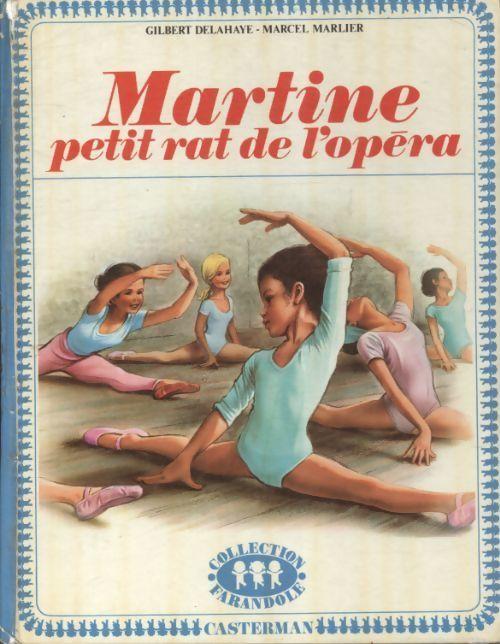
Fast forward to my move to New York years later, where I often found myself being asked if I was a dancer. Perhaps it was due to my posture, a trait cultivated from walking on a 10cm beam in artistic gymnastics. At first, I thought people were joking; after all, I looked nothing like the graceful girls on the cover of Martine et Les Petit Rats de l’Opera or the ones from Dirty Dancing.


My legs were muscular a bit like one of my idols, Surya Bonali, but oh boy, I vividly remember the discussions around hers…
“Bonaly constantly faced negativity from judges as she did not fit into their norm. Being black did not correlate with their idea of being graceful as characterized by the white feminine body. This clearly demonstrates that the dominant white culture determines who is and is not allowed to be exceptional and that definitions of what is acceptable behavior can change based on who is performing it “(Jackson, 1999).
Society’s perception of me hindered any consideration of classical dance as an option. Despite still loving to dance and creating routines for school, I never thought it was for someone like me. In the early ’90s, American Hip Hop made its way into the French media, and I thought, maybe I could try that – perhaps it’s more “for people like me.”
It took many years and a significant amount of personal growth to overcome these stereotypes and feel comfortable showcasing my legs. However, a sense of being cheated lingered, as I was never encouraged to pursue the practice of dance.

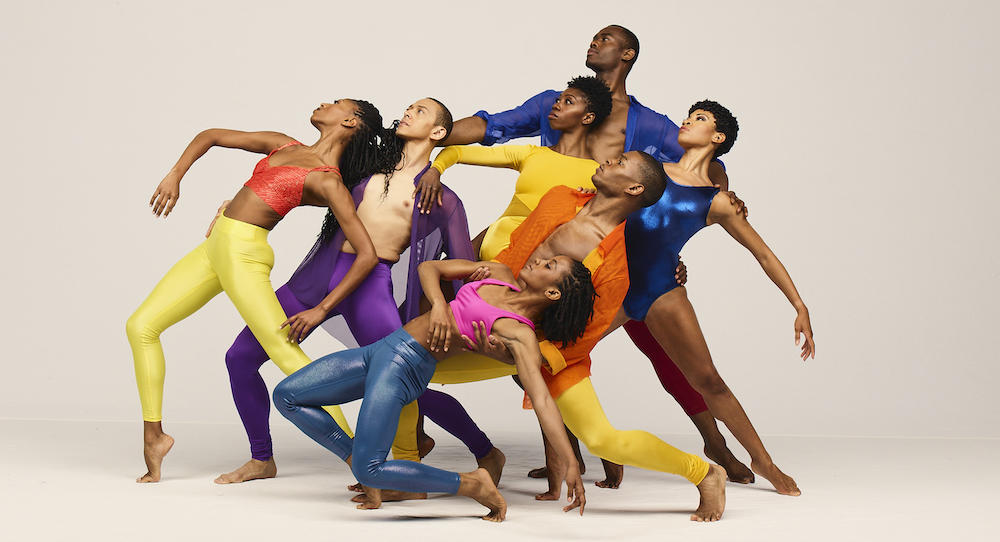
Certainly, dancers like Debbie Allen and later Misty Copeland paved the way for a new generation of classical dancers. Dance companies like Alvin American Dance Theater pioneered Black Excellence, yet I never saw them as a child.


That is specifically the reason why I was inspired to create a series of Groovy Afro Dancers: Just because #RepresentationMatters. Through this series, I hope to inspire young and not-so-young individuals to see themselves in the beauty of diverse expression. Dance knows no boundaries, and every rhythm, every step, deserves to be celebrated. So, here’s to breaking free, embracing diversity, and dancing to our own unique beat. May every girl, regardless of age, find her reflection in the empowering art of dance.

illustration of a black woman with an afro hair dancing 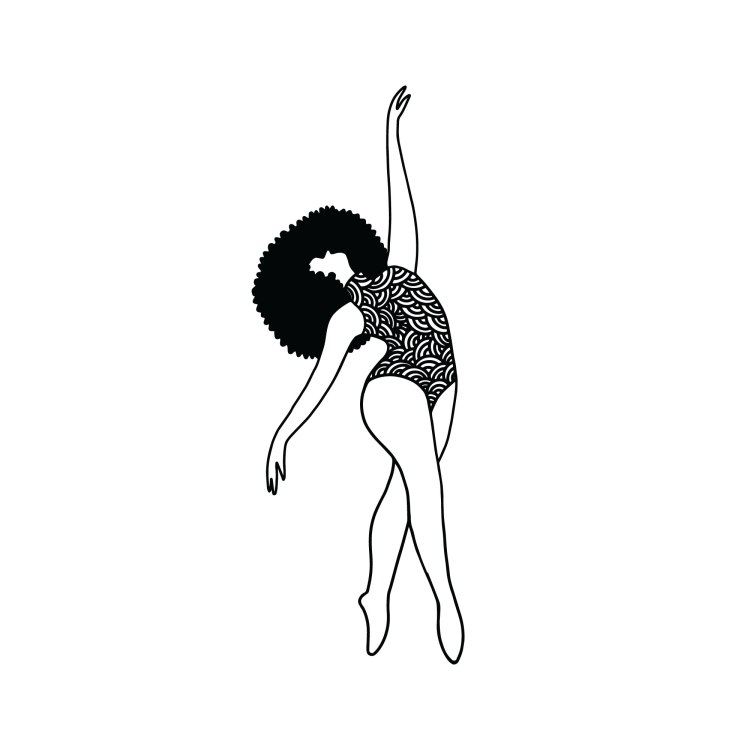
illustration of a black woman with an afro hair dancing 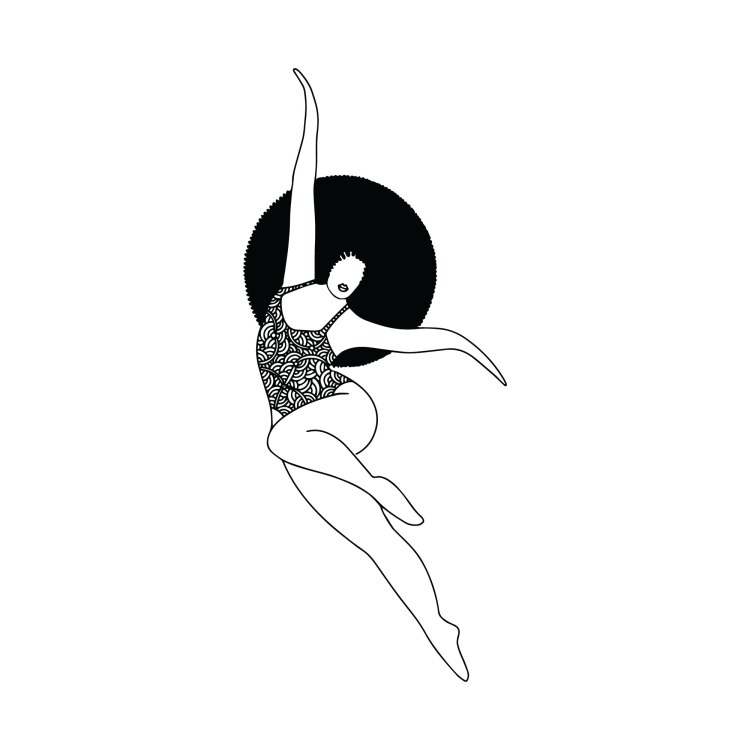
illustration of a black woman with an afro hair dancing 
illustration of a black woman with an afro hair dancing 
illustration of 5 black woman with afro hair dancing 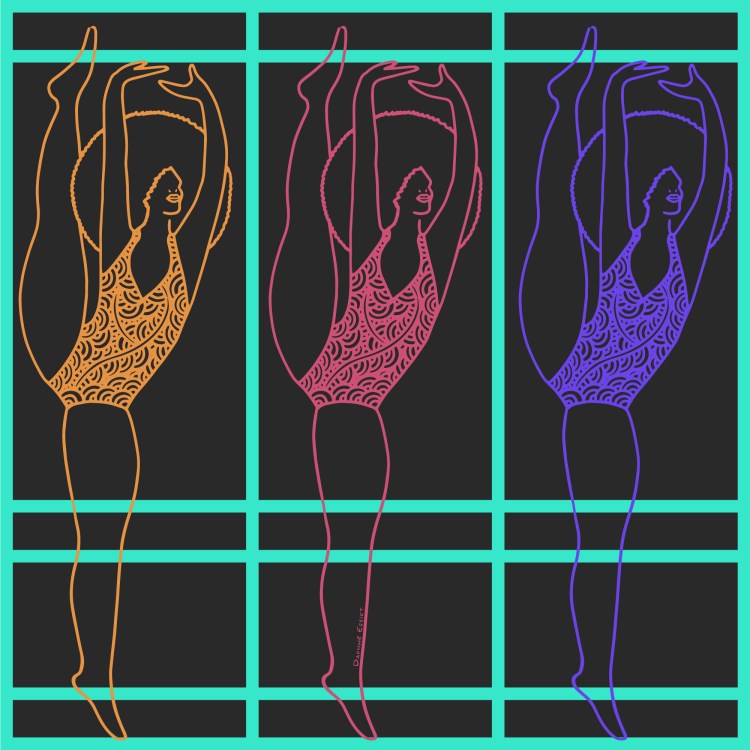
illustration of a 3 black woman with an afro hair dancing 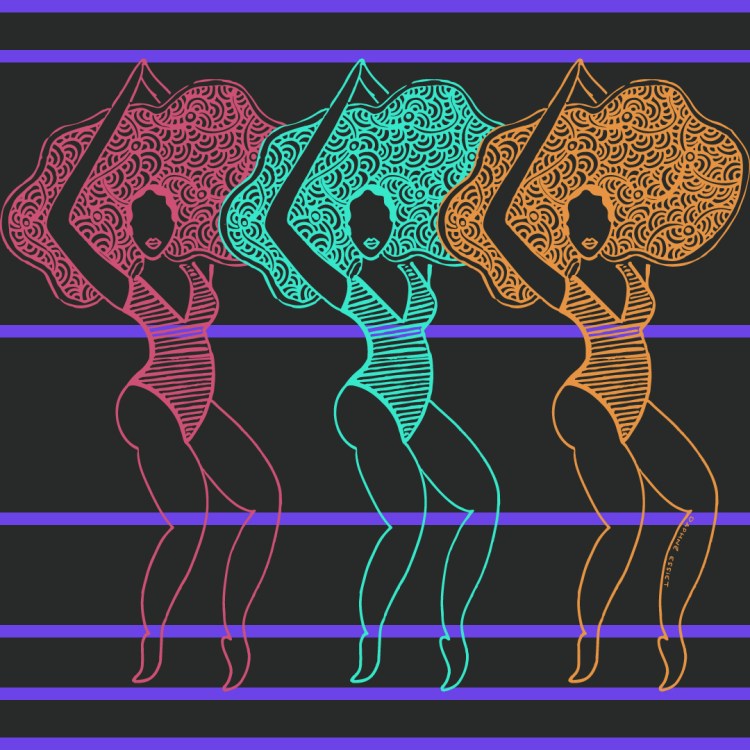
illustration of a 3 black woman with an afro hair dancing
More Afro Dancers here and here
*Jackson, R. L. (1999). White space, white privilege: Mapping discursive inquiry into the self. Quarterly Journal of Speech, 85(1), 38-54. DOI: 10.1080/00335639909384240
 French Girl in Brooklyn
One thought on “On Dancing: How Representation Can Encourage Younsters to Turn to Dance”